
Conformal Coating Play in Flexible Circuit Board Manufacturing
When a printed circuit board is in production, it needs to be protected from environmental conditions that could affect the reliability of the device. To prevent this, the circuit board is often coated with a conformal coating. This protective layer can minimize damage, maintain proper conductor spacing, and improve thermal and mechanical stress management. Conformal coatings are usually applied as a very thin layer, minimizing heat entrapment and unnecessary weight. The coating is typically made of a mix of different materials, including acrylics, polyurethanes, and silicones.
The type of coating used is largely dependent on the worst-case operating temperature of the circuit board. This will limit which conformal coatings are suitable and may necessitate rethinking the thermal management strategy to reduce the board’s maximum operating temperature to the range of the preferred conformal coating material.
One of the primary concerns associated with conformal coating is its ability to resist moisture and contaminants that can cause delamination of the coating. Using cleaning techniques and allowing sufficient tack time between coats can help minimize this effect. In addition, ensuring that the gap between components is sufficient will also reduce this risk.
Another consideration when choosing a conformal coating is its chemical resistance. Most circuit boards are exposed to a wide variety of chemicals, and the conformal coating must be able to stand up to them without losing adhesion. This can be accomplished by selecting a conformal coating that is compatible with the most common solvents and stripping agents.
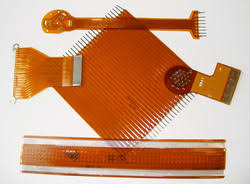
What Role Does Conformal Coating Play in Flexible Circuit Board Manufacturing?
Finally, the ability of a conformal coating to resist abrasion and scratching is important. This can be achieved by selecting a hard-wearing acrylic or polyurethane material. The ability of the coating to resist corrosion is also a factor, as is its resistance to various chemicals and ultraviolet light.
Once a conformal coating is applied, it must be durable enough to survive the manufacturing process, rework, and repairs. The coating should be able to resist the physical stresses of handling, vibration, and thermal cycling. It should also be able to resist the effects of harsh environments and humidity.
Lastly, it is also essential that the coating be easy to remove and not require extensive grinding and scraping. This will minimize the time required for rework, repair, and upgrades. Electrolube offers products that can be used to remove conformal coatings quickly and efficiently.
In summary, a conformal coating is an integral part of the manufacturing process for flexible circuit boards. It provides protection against abrasion, vibration, and temperature extremes, as well as protecting the delicate components within the circuit board. By understanding the role that a conformal coating can play in flexible circuit board manufacturers, you can be confident that your end product will perform as intended for its life cycle.
)

)