
Implementing a Managed Security Service
The cost of security tools, staffing shortages, skills gaps and a general lack of awareness among businesses are some of the main challenges in implementing a managed security service provider. This is why many organizations turn to third-party vendors, such as MSSPs, for help. Managed security services can help reduce business costs by eliminating the need for costly in-house teams, while providing 24/7 monitoring, detection and response capabilities to prevent security breaches.
But, identifying the right MSSP partner for your company isn’t easy. You must carefully evaluate potential partners to find one that is experienced, has a solid track record and a clear vision of how they will address your security needs. You should also look for flexibility and scalability, as your organization’s security needs will likely change over time. Finally, it’s crucial to choose a provider that offers comprehensive and effective services at reasonable prices, with clear pricing models and customer support that is easily accessible.
MSSPs are security firms that offer a full suite of cybersecurity services to their clients. These firms work from high-availability security operations centers to provide round-the-clock monitoring of networks and web applications. They also use advanced tools to identify and remediate threats, helping companies reduce operational downtime and data loss. MSSPs can also assist with regulatory compliance, such as HIPAA and PCI-DSS standards, by reducing the risk of penalties and fines for non-compliance.
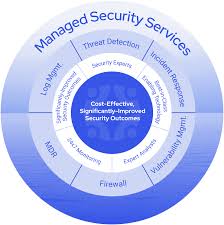
Challenges in Implementing a Managed Security Service
Choosing the right MSSP partner can save companies time and money by avoiding the expensive process of hiring in-house IT professionals to build, monitor and update their infrastructure. They can also free up internal IT resources to focus on other projects. In addition, many of these firms provide their customers with access to advanced technologies they would not have the capacity to implement in-house. Integrity360, for example, offers a unified threat management platform that integrates multiple security tools into a single platform to streamline the detection and response process, reducing false positives and alert fatigue.
Some of the key challenges in implementing a managed security service provider include the integration of MSSPs with a client’s existing IT infrastructure, as well as the potential for miscommunication and insufficient coordination between the two parties. This can lead to a lack of alignment between business objectives and the MSSP’s security strategy, which can compromise an organization’s overall security posture.
Other significant challenges include the need for an MSSP to maintain up-to-date security certifications and standards, as well as a strong understanding of how each client’s environment differs. This allows the provider to tailor its security solutions to best meet each client’s needs. In addition, it is important for MSSPs to develop effective strategies for responding to security incidents and addressing vulnerabilities in a timely manner. If not addressed promptly, security incidents can cause serious damage to an organization’s reputation and financial loss. This is why it is critical to have an incident response plan in place and train staff on how to respond to threats.
