
fpc pcb require special assembly techniques
FPC pcb are used to meet the needs of miniaturization and mobility for electronic products. They can be bent and folded without damaging the conductor, allowing for greater flexibility in product design. They are also lighter than rigid circuit boards, which helps to reduce overall product weight and size. As a result, they are favored by manufacturers of mobile electronics, LED strips, and other high-density applications.
Flexible PCBs are made of insulating substrate materials such as polyimide or polyester film and copper foil lamination on both sides. They are typically used in movable products such as portable MP3 and MP4 players, mobile phones, automobiles, etc. The conductive graphics on the flexible circuit board are chemically etched on either side of the insulating base membrane. The traces are connected through metalized holes, called vias. The vias can be either plated through (PTH) or blind.
Compared with conventional PCBs, which consist of multiple layers of insulated and non-insulating materials, FPCs are much thinner. They also use a different manufacturing process, which requires less raw material. This allows for higher densities, lower manufacturing costs, and improved electrical performance. Moreover, the copper foil on the surface of fpc pcb can be printed with a variety of patterns, colors, and functions. This provides more design flexibility for manufacturers and allows for the production of highly functional electronics.
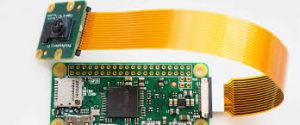
Do fpc pcb require special assembly techniques?
In addition to reducing manufacturing costs, FPCs can reduce assembly times and the need for wire harnesses. Since the wiring is incorporated into the board, the risk of human error during connection and assembly can be greatly reduced. This can lead to increased reliability and cost savings in warranty claims, repairs, and returns.
Another advantage of FPCs is their ability to be shaped and folded in complex ways. This allows them to fit into small spaces, which can be difficult for standard PCBs. In addition, they can be used as antennas, which is a key factor in wireless device development. The higher line widths on FPCs improve signal transmission and decrease the time it takes to transmit data from one point to another.
As a new technology, flex circuits are gaining popularity in many fields due to their unique characteristics and high reliability. They can withstand bending and other dynamic stresses, which is important for mobile devices and consumer electronics. Their flexibility also makes them suitable for curved surfaces, a feature that is not possible with traditional rigid circuits.
In order to achieve high-quality flex assemblies, the assembly process must be followed strictly. This includes pre-baking, solder paste printing, patching, reflow soldering, and final quality control. The assembly of a flex circuit involves a lot of moving parts, so it is important to fix them in a stable position during the assembly process. To do so, it is necessary to use assembly jigs and magnetic pad boards. If these tools are not available, the assembly of the flex circuits will be difficult and may have defects. In addition, it is important to follow the manufacturer’s instructions when using these tools.
)
)
