
PCB printed circuit board assembly
In the pursuit of sustainable and environmentally conscious practices, energy efficiency has emerged as a critical consideration across industries, including electronics manufacturing. PCB (Printed Circuit Board) assembly, as a foundational element of electronic devices, plays a significant role in contributing to energy efficiency. Through careful design, component selection, and manufacturing processes, PCB assembly can optimize energy consumption, enhance power management, and reduce environmental impact, ultimately leading to more sustainable electronic products.
One of the key ways in which pcb printed circuit board assembly contributes to energy efficiency is through the optimization of power distribution and management. PCB layouts designed with efficient power distribution networks, low-resistance traces, and well-placed decoupling capacitors minimize power losses and voltage drops, ensuring that energy is delivered to components with maximum efficiency. Additionally, power management features such as voltage regulators, power gating, and sleep modes help minimize standby power consumption and maximize energy savings during device operation.
Moreover, PCB assembly techniques play a crucial role in optimizing thermal management, which directly impacts energy efficiency. Efficient heat dissipation through the PCB layout, strategically placed thermal vias, and thermal management materials helps prevent overheating and ensures the reliable operation of electronic components. By maintaining optimal operating temperatures, PCB assemblies can reduce the need for active cooling mechanisms such as fans or heatsinks, resulting in lower energy consumption and extended component lifespan.
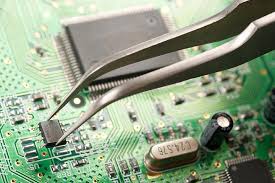
Does PCB printed circuit board assembly contribute to energy efficiency?
Furthermore, the choice of components and materials in PCB assembly can significantly influence energy efficiency. Selecting energy-efficient components, such as low-power microcontrollers, power-efficient LEDs, and energy-saving sensors, helps minimize power consumption without compromising performance. Additionally, choosing environmentally friendly and sustainable materials, such as lead-free solder and halogen-free substrates, aligns with energy efficiency goals and reduces the environmental impact of PCB assembly processes.
In addition to hardware considerations, PCB assembly contributes to energy efficiency through process optimization and waste reduction. Lean manufacturing principles, such as Just-In-Time (JIT) production and Kanban systems, minimize energy-intensive production processes, reduce material waste, and optimize resource utilization. Furthermore, advanced assembly techniques, such as surface mount technology (SMT) and automated assembly, increase production efficiency, reduce cycle times, and lower energy consumption compared to traditional assembly methods.
Moreover, PCB assembly supports the development and integration of energy-efficient technologies and innovations into electronic devices. Advances in power electronics, renewable energy systems, and energy harvesting techniques are made possible through PCB assembly processes that enable compact, reliable, and high-performance electronic assemblies. By facilitating the integration of these technologies into electronic products, PCB assembly contributes to the overall energy efficiency and sustainability of modern devices.
Furthermore, PCB assembly enables the implementation of smart and connected devices that optimize energy usage and reduce environmental impact. IoT (Internet of Things) devices, enabled by PCB assemblies with wireless connectivity, sensors, and energy-efficient microcontrollers, enable remote monitoring, control, and optimization of energy consumption in various applications, including home automation, industrial automation, and smart cities. By harnessing data analytics and machine learning algorithms, these devices can intelligently manage energy usage, identify opportunities for efficiency improvements, and reduce overall energy consumption.
In conclusion, PCB printed circuit board assembly plays a crucial role in advancing energy efficiency and sustainability in the electronics industry. Through careful design, component selection, manufacturing processes, and the integration of energy-efficient technologies, PCB assemblies optimize power distribution, enhance thermal management, and reduce energy consumption in electronic devices. As the demand for energy-efficient products continues to grow, PCB assembly will remain a driving force behind innovation and progress toward a more sustainable future.
)
)
)