
PCB Manufacturers Are Embracing New Forms of PCB Production
PCBs are the hardware backbone of IoT devices, integrating low-voltage electrical power, electronic control algorithms, proprietary data, and connectivity protocols to transmit and relay that information to device owners. They’re also responsible for ensuring the proper operation of IoT devices in a wide range of settings, including rugged and industrial environments. In order to meet the requirements of IoT applications, pcb board manufacturers are embracing new forms of PCB production and design, pushing the boundaries of circuit board technology.
IoT technology is revolutionizing the way people live, from smart home gadgets to industrial IoT systems. Embracing innovative form factors, PCB manufacturers are designing flexible and stretchable PCBs to meet the needs of these devices. New PCB materials, such as polyimide and ceramics are helping to improve performance, while also meeting environmental considerations.
Developing a pcb board manufacturers for an IoT device requires careful consideration of both the form factor and the intended use. To achieve a design that integrates seamlessly with the physical product, the PCB designer must consider factors like size, material choice and manufacturing process. This often requires collaboration between PCB designers and mechanical engineers throughout the design process.
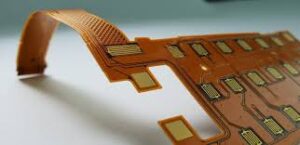
How PCB Manufacturers Are Embracing New Forms of PCB Production and Design for IoT Applications
Miniaturization and space optimization are essential for IoT designs, as physical constraints impose major restrictions on the layout and size of the components on the board. Modern PCB design techniques, such as surface mount technology and bare metallization, help to reduce overall component size and weight. IoT devices often require multiple communication protocols to relay data, so PCB design must take into account the requirements of each specific protocol. This may involve incorporating logic circuits that can decode and interpret data to optimize the transmission of information, as well as implementing low-power modes to conserve energy.
Managing power consumption is another important issue to keep in mind when designing a PCB for an IoT application. Since these devices are constantly in communication with their networks, they must maintain a steady flow of power to operate properly. This requires that a PCB be designed with a dedicated power-consumption budget for each functional block. The budget must be carefully planned so that the device remains within an acceptable level of power usage, which is a critical concern for both consumers and commercial end-users alike.
In conclusion, PCB board manufacturers are crucial players in the electronics sector, enabling the production of high-quality, reliable, and innovative electronic products. Their expertise in designing and fabricating PCBs, coupled with advanced testing and material selection, ensures that the electronic devices we rely on function smoothly and safely. As technology continues to advance, PCB manufacturers must remain adaptable, embracing new challenges and driving innovations that will power the next generation of electronic products.
A key component in the development of any PCB is making sure that it’s capable of passing quality control (QC) testing to ensure that all components have been installed correctly. This typically involves visual inspection and electrical methods, and it’s critical for IoT applications where a reliable connection is necessary for successful operations.
)
)
)